
Many international visitors and even locals often wonder why it’s a common practice in Japan to consume raw eggs without fear of getting sick. In this article, we delve into the unique practices that make these eggs safe for raw consumption. You might be struggling with questions such as:
- What measures are taken to ensure these eggs are safe?
- How different is the egg production system in Japan compared to other countries?
By the end of this read, not only will you have clear answers, but you’ll also feel more confident about dipping your spoon into a dish featuring a raw Japanese egg!
Stringent Hygiene Management of Chickens
In Japan, eggs are safe to eat raw largely due to the rigorous hygiene management practices employed on poultry farms.
These measures are essential to prevent contamination from pathogens such as Salmonella.
Specifically, farms implement strategies including the disinfection of vehicles, changing of work clothes and boots, hand sanitization, and the use of bird-proof nets to prevent wild animal intrusion.
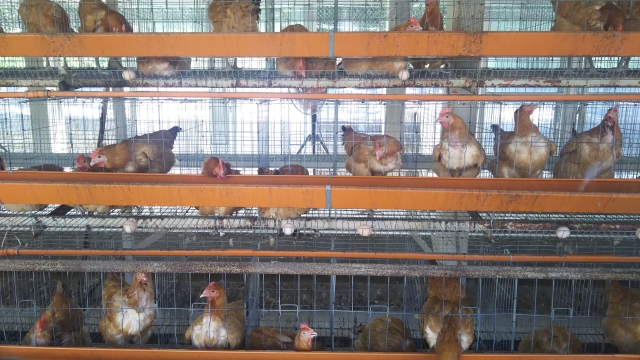
These detailed hygiene practices ensure that the risk of bacterial infection is minimized from the very source, giving consumers confidence in the safety of consuming raw eggs.
Rigorous Egg Quality Control
Beyond poultry health, the safety of Japanese eggs for raw consumption is also attributed to the strict quality control of the eggs themselves.
Eggs sold in Japan undergo processes like washing, inspection, and selection.
After passing through these stringent checks, eggs are packaged, distributed, and sold under a fully managed hygienic environment, which significantly reduces the risk of food poisoning from raw eggs.

This comprehensive approach to quality control highlights the industry’s commitment to safety and excellence.
Inspection Regime by GP Centers
Furthermore, eggs produced on poultry farms are subjected to sanitary measures at factories known as GP (Grading & Packing) centers.
They perform various safety checks including washing to remove surface dirt, ultraviolet sterilization, and dedicated machine checks to ensure the eggs are not cracked.
There are also random tests for Salmonella contamination.
These measures at GP centers are critical complementary steps ensuring that by the time eggs reach consumers, they have undergone thorough examinations for safety.
Low Prevalence of Salmonella
Another significant factor is the remarkably low rate of Salmonella contamination in Japanese eggs compared to other countries.
This low prevalence is due to the combined effects of all the aforementioned rigorous practices, making it safe to enjoy raw eggs in Japan.

However, despite the low risk, it is important for consumers to take basic precautions, such as not leaving eggs cracked open for extended periods and sufficiently cooking cracked eggs, ensuring overall safety in egg consumption.
Conclusion
the exceptional practices surrounding the production of Japanese eggs—from the meticulous hygiene management of chickens, through rigorous egg quality control, to the dedicated inspection regimes by GP centers, and the low prevalence of Salmonella—are what underpin the safety of consuming raw eggs in Japan. Here’s what makes eating raw eggs in Japan a safe practice:
- Thorough hygiene practices at the poultry farms.
- Strict egg quality control procedures.
- Comprehensive safety checks by GP centers.
- Low rates of Salmonella contamination.
By understanding these measures, you can appreciate why raw eggs are a staple in Japanese cuisine and feel reassured about their safety. Whether you’re savoring a raw egg over rice or sampling a recipe that calls for uncooked eggs, you’re partaking in a culinary tradition made possible by an unwavering commitment to food safety.